Denver’s Defense Keeps Creating the Edge. The Offense Still Has to Preserve It.
The Broncos’ overtime win over Seattle showed the same tension in one game: Denver’s defense kept handing the offense short fields, but the offense often turned those chances into field goals instead of touchdowns.
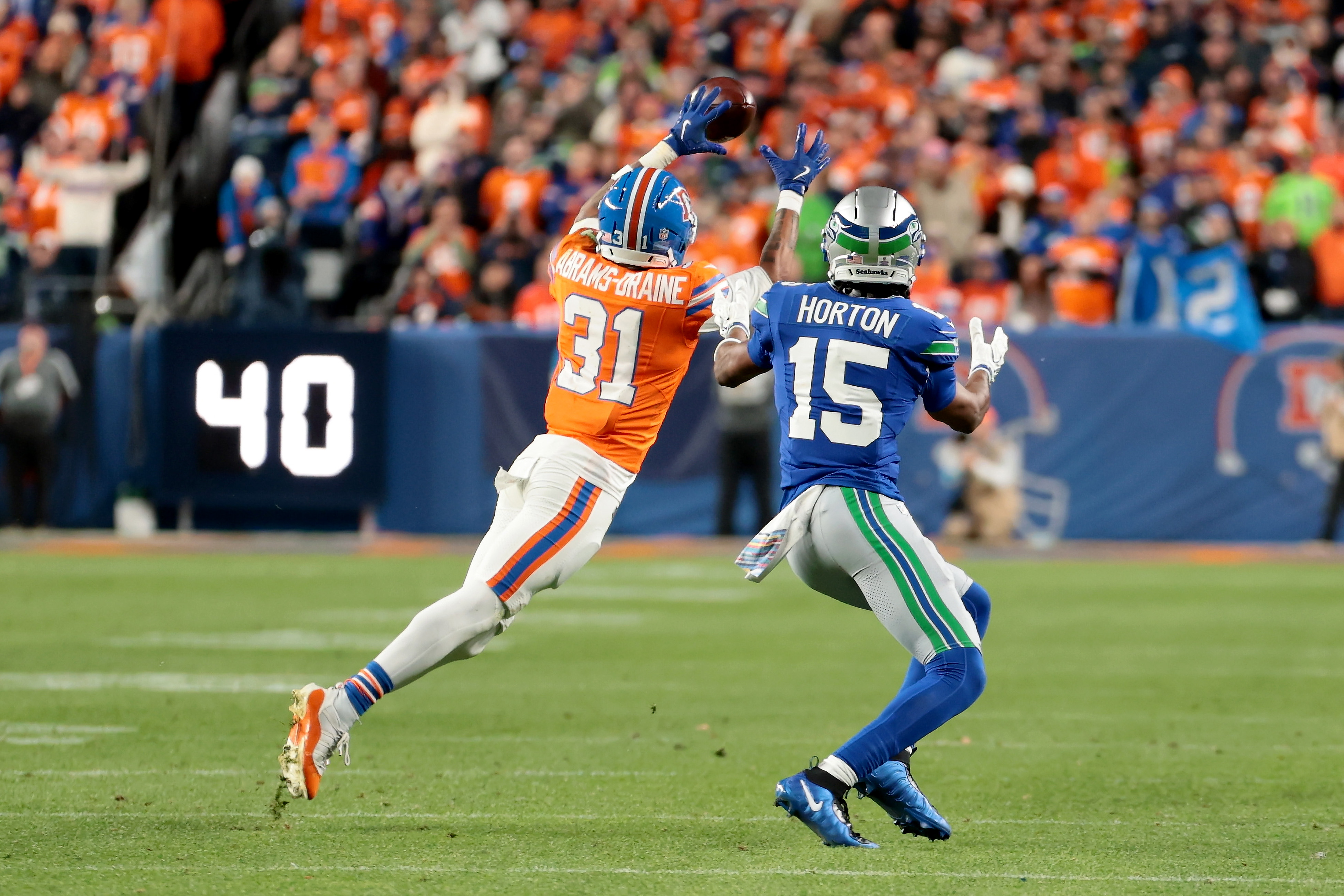
The clearest field-position swing came in overtime
If you want the cleanest snapshot of how Denver won, start with overtime. Ja’Quan McMillian’s interception came in Seattle territory, and the Broncos needed just four plays before Wil Lutz drilled the 53-yard winner. That sequence answers the biggest immediate question from the Seahawks game: when the defense created a short-field opportunity at the most pressure-filled moment, Denver’s offense did enough to cash it in. The scoreboard makes the ending look simple, but the possession itself shows how much the defense was carrying the night. Source material does not provide a complete possession-by-possession chart, so that overtime series is the safest fully verified field-position example. [1]
The defense did the hard part all night
The broader game story supports that same reading. Denver’s defense finished with three takeaways, five sacks and 17 quarterback hits, which is the kind of production that repeatedly changes field position even when the official report does not spell out every starting spot in sequence. Those numbers tell us the Broncos were not surviving on one lucky turnover; they were consistently disrupting Seattle’s offense and forcing the kind of plays that can shorten the field for Denver’s next drive. Sean Payton’s description of the unit as magnificent matches the evidence in the game recap. [2]
What Denver kept asking the offense to do
The frustrating part for Broncos fans is what the offense did after those defensive wins. The supplied reporting makes clear that the defense kept manufacturing advantages, but it also shows that Denver was still finishing too many of those chances with field goals rather than touchdowns. That distinction matters because a short field is only a partial reward unless the offense preserves it. The game-winning drive was decisive, but the larger pattern points to an offense that benefited from the defense without always maximizing what the defense handed over. [1] [2]
Why the final result still leaves a useful warning
That does not make the win hollow. It means Denver has a workable formula with a ceiling that could still rise. A defense that produces turnovers, sacks and quarterback hits can cover for a lot, especially in a tight primetime game against a strong opponent. But the same game also shows how thin the margin stays when short fields do not become seven points. The Broncos won because the defense repeatedly reset the game and the offense finally finished one of those chances in overtime. If the offense converts more of those opportunities into touchdowns, the same defensive dominance becomes much more dangerous for future opponents. [1] [2]
The bottom line for the field-position debate
So how much field position is Denver’s offense giving back? Based on the official reporting available here, the honest answer is that the offense is not wasting every defensive gift, but it is not consistently preserving them either. The clearest verified example is the overtime turnover that led directly to the winner, and the larger takeaway is that Denver’s defense is doing enough to create short fields while the offense still leaves some of that advantage on the table. For now, that is still a winning combination. For a team trying to build a more complete identity, though, the next step is obvious: turn more of those defensive gifts into touchdowns before the field position advantage shrinks. [1] [2]
Sources and further reading
Reporting and context used for this article:
FAN FEED
Join the discussion
What do you think? Share your take with fellow Broncos fans.
Loading the discussion…
Related stories
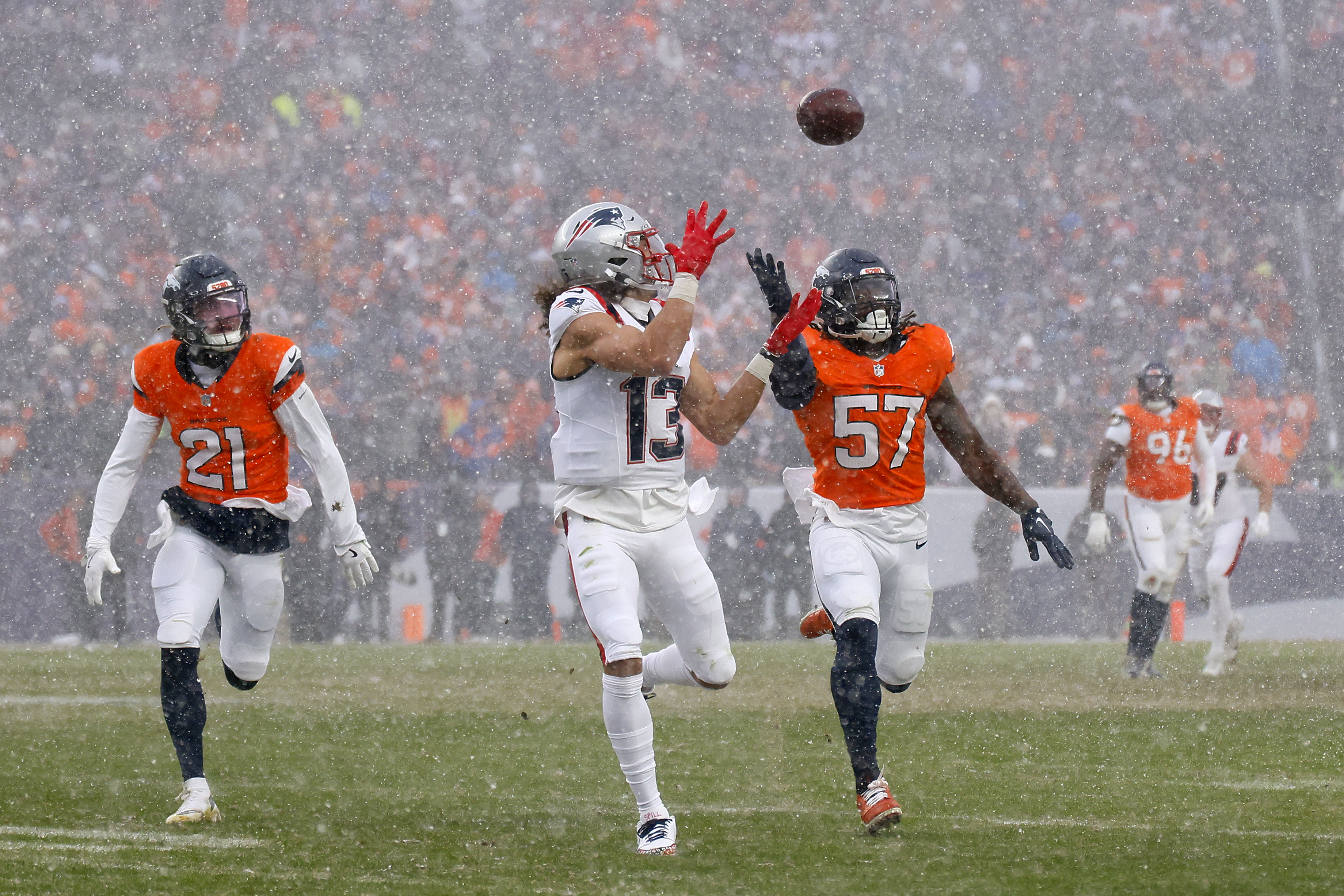
Broncos enter Week 1 with continuity, health and player-led authority
Bo Nix is back, the injury report is clean and Denver’s captains were chosen by teammates — a strong opening signal before a hostile trip to Kansas City.
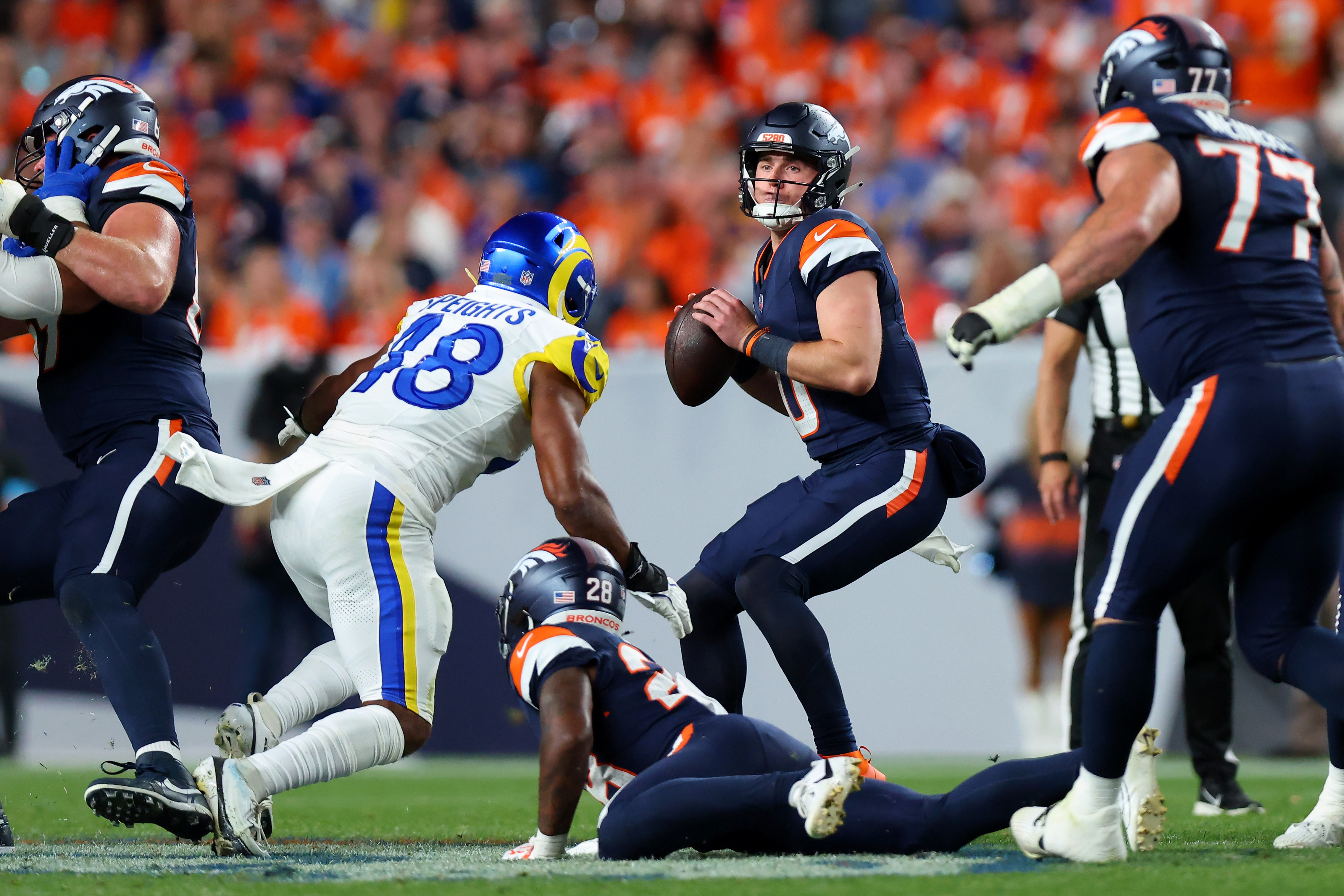
Broncos Put Bo Nix and a Player-Elected Core at the Center of Their 2026 Identity Test
Denver’s opener at Kansas City now looks like more than Week 1. It is the first real measure of whether the Broncos’ captain-led structure can travel in a division road game.